On most productions, equipment is often treated as a constant. While a standard kit and familiar setup can be deployed from one project to the next with minimal change, no two productions run the same way.
Over the years, this has shaped how we approach every project; not as a deployment of equipment, but as a process of building systems that adapt to the production in front of us.
Where We Started
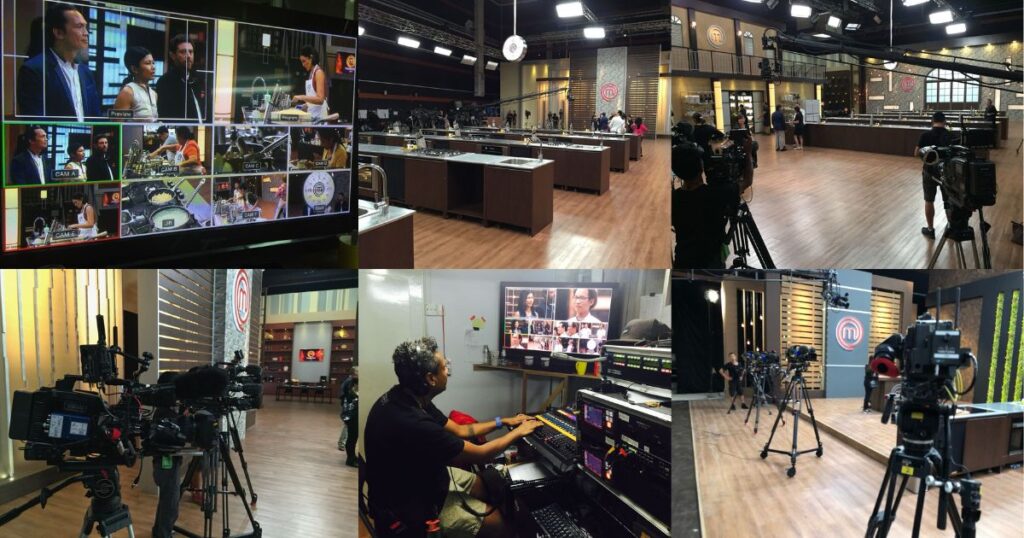
Our early work on MasterChef Asia in 2015 marked the beginning of this approach. At the time, the setup followed a more conventional structure. Fixed cameras, defined coverage zones, and a workflow that reflected the production standards of that period. It delivered what was required, but it also highlighted where limitations would surface as formats became more complex.
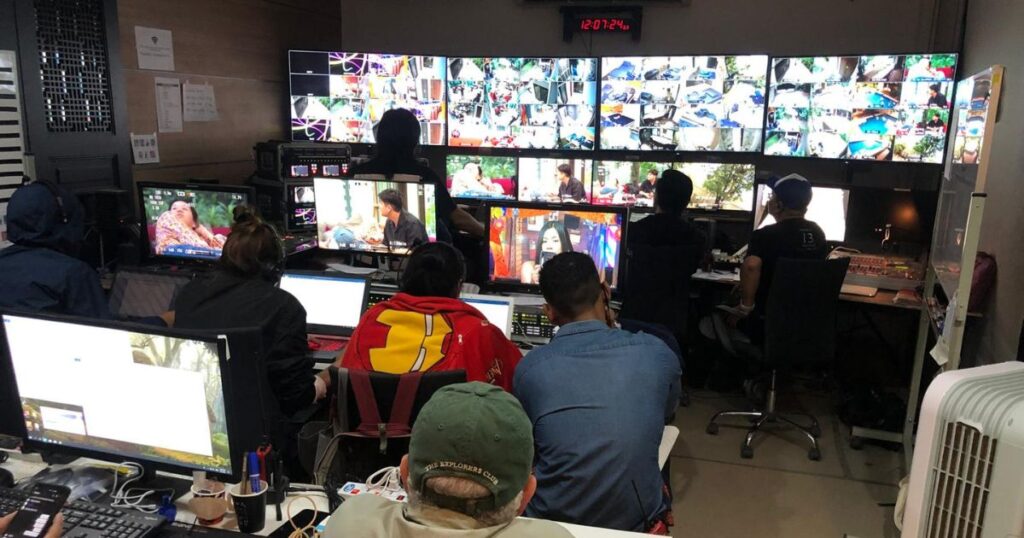
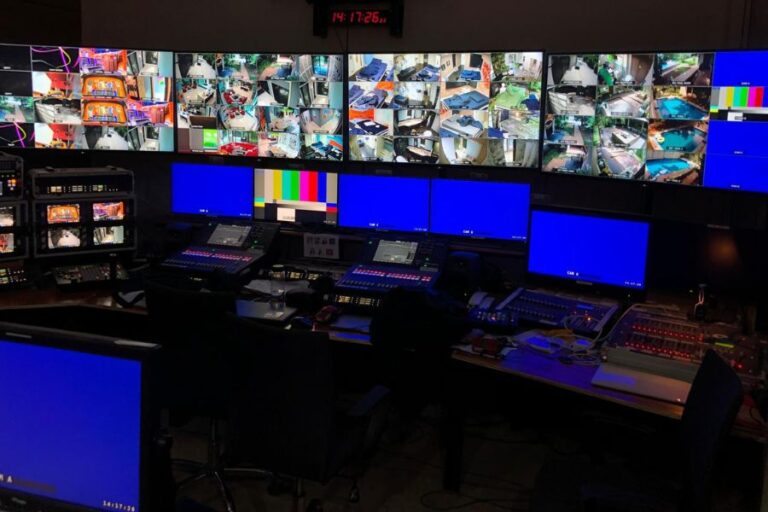
In The Real World Thailand, 2018, the format introduced a different level of complexity. Multiple storylines happening simultaneously, continuous coverage across environments, and a need for directors, producers, and loggers to respond in real time. The existing framework, built largely around fixed cameras, was no longer sufficient and was our pivotal point of moving away from standard configurations.
We developed a customised routing system that allowed audio sources to be grouped based on camera angles. Through software macros, production teams could access relevant microphones instantly, without manual patching or delays. This meant loggers and storytellers had a more direct way of working. Instead of searching across multiple feeds, they could focus on capturing narrative moments as they happened.
At the time, systems like this were not common within Southeast Asia. Building it required developing both the hardware integration and the software layer in-house, with support from collaborators in Australia. It was less about adopting an existing solution, and more about creating one that fit the production.
Alongside this, we began introducing robotic PTZ cameras. Although initially, there were only two units, it marked the start of a broader shift toward more flexible, remotely controlled camera systems.
Where We Are Now
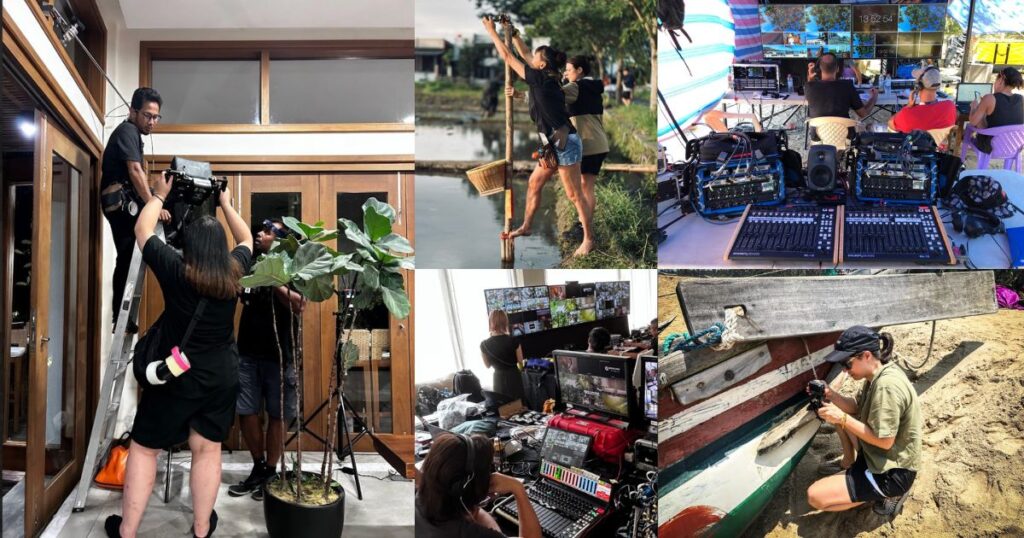
In the years since, that approach has scaled significantly. Today, we operate with close to 50 PTZ cameras, allowing coverage to extend beyond physical operator positions. Cameras can be placed strategically, controlled remotely, and adjusted without interrupting the environment; particularly important for reality-based formats where presence on set needs to be minimised. And as the cameras became less visible, the rest of the system had to follow.
Audio capture, for example, now requires solutions that are both technically reliable and physically discreet. Instead of relying on standard mounts or visible setups, we often adapt everyday objects to support microphones, working closely with the art department to ensure that technical elements blend into the environment.
Fibre-based hub systems now allow us to distribute video, audio, and data across large environments such as villas. These hubs manage PTZ control, return video, and wireless microphone integration through Dante-based monitoring, giving us greater flexibility and control across the entire setup.
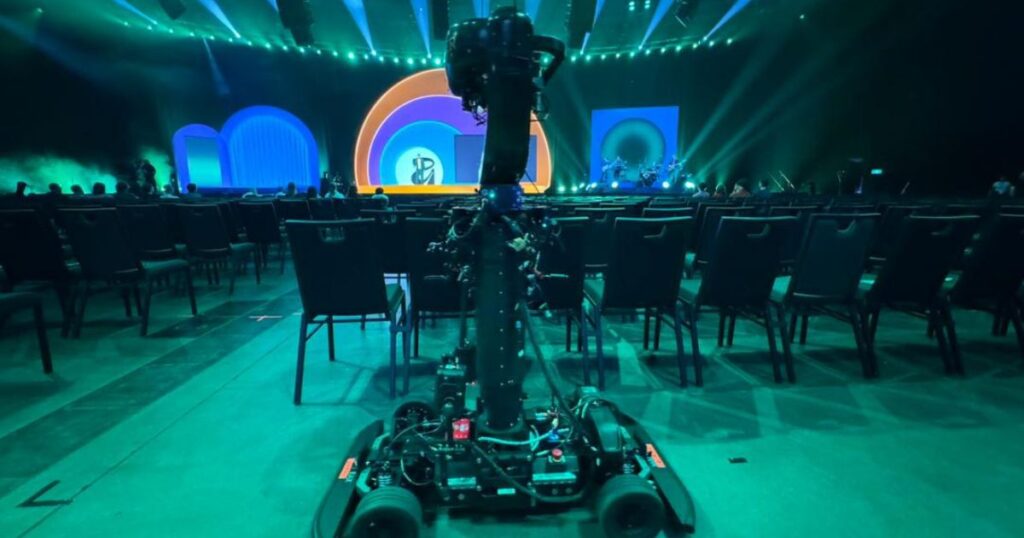
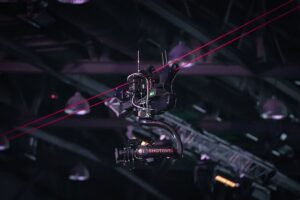
On projects like the Canva World Tour 2025, we integrated first-person-view (FPV) capabilities into platforms such as the AGITO Gen2 camera dolly, allowing dynamic shots without placing operators within the environment. Meanwhile, advancements in wireless audio systems and a shift toward more cinematic camera formats have further evolved how we approach fast-moving, multi-location productions on The Amazing Race, Australia.
Where We’re Going
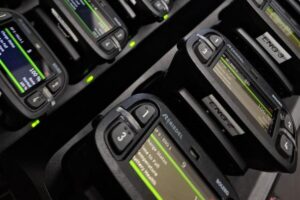
As systems become more complex, communication and coordination become increasingly critical. Our latest investment in the Riedel Bolero Wireless Intercom reflects this. Integrated alongside MediorNet distribution, Dante audio monitoring, and our custom touch-panel control interfaces, it strengthens how teams communicate across large-scale productions.
To us, this isn’t a standalone upgrade, but part of a broader direction where we continue to develop more integrated systems; expanding our fibre network hubs, refining our control interfaces, and building workflows that allow production teams to manage increasing levels of complexity without slowing down.
Growing with Every Production
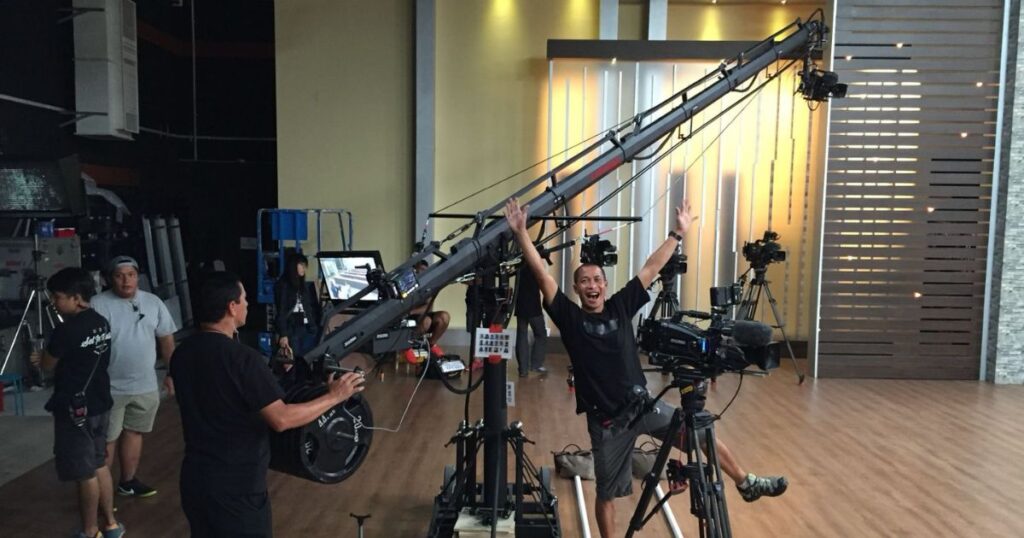
Looking back, each production has contributed to the next. From the structured setup of MasterChef Asia, to the shift in approach on The Real World Thailand, and into the systems we build today, the progression has been continuous.
Instead of working with a fixed template, we improvise, adapt, and refine; building systems in-house, adjusting them to each production, and carrying those learnings forward.
Because no two setups are alike. And improvisation, in this context, is not reactive. It is part of our design.
Ready to grow with us?
Get in touch with our team or drop us an email at [email protected]